How to Create a Blog Content Strategy for SaaS Startups
Most SaaS startups launch a blog, publish a few posts, and then wonder why traffic never shows up. The problem is rarely the writing — it is the absence of a plan behind it. According to HubSpot, companies that blog consistently generate 67% more monthly leads than those that do not. Yet most SaaS blogs underperform because they treat content as a task rather than a strategy, going live without a clear audience, keyword plan, or defined goal.
A blog content strategy changes that — giving your blog a purpose and a system that compounds over time. This guide walks you through exactly how to build one, from defining your audience to converting readers into customers. SubPage is built to support each step, whether you are just starting or ready to scale.
What is a blog content strategy?
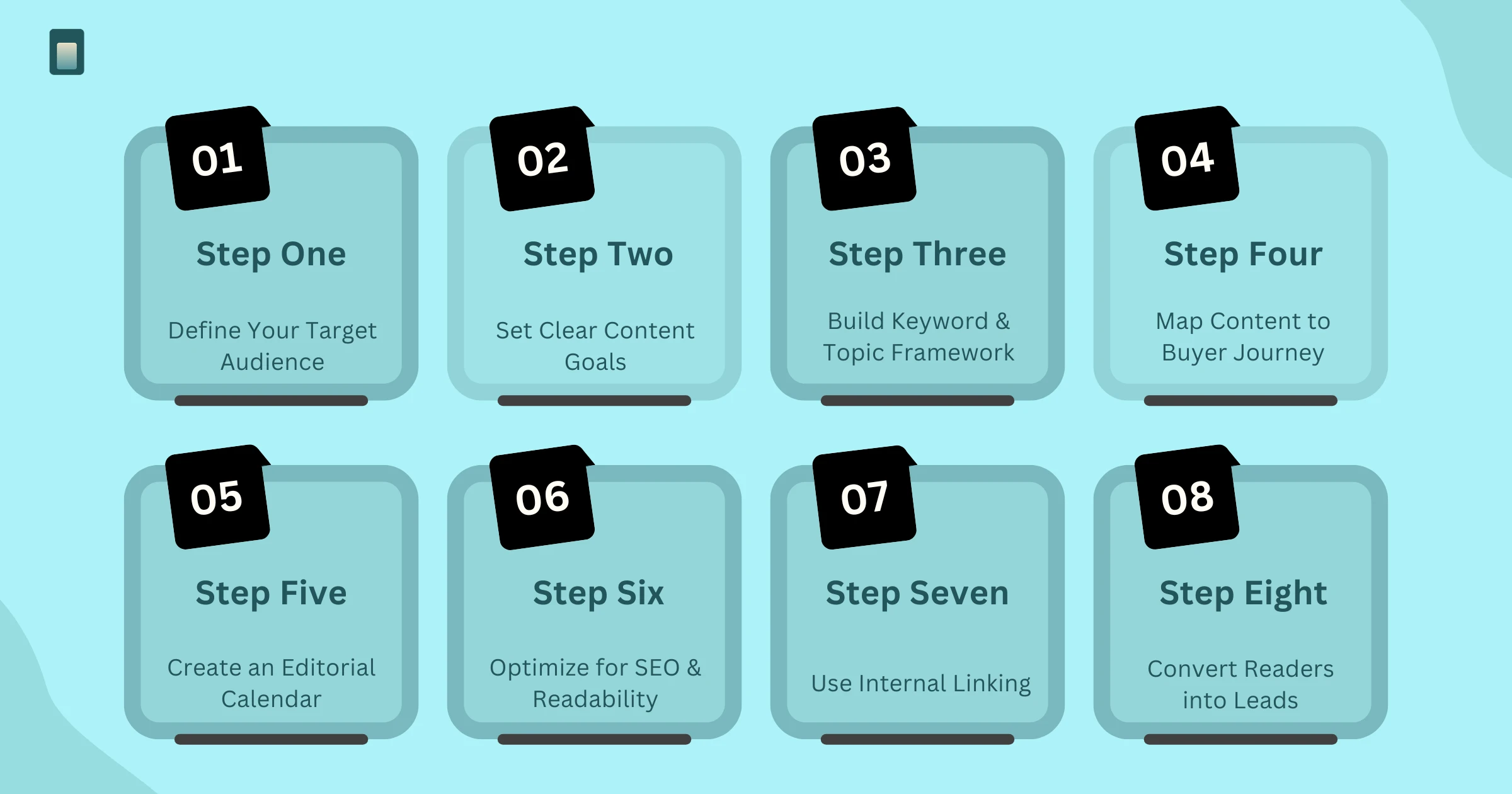
Step 1: Define your target audience and their pain points
Every effective blog content strategy starts with clarity on who you are writing for. In SaaS, that means understanding your ideal customer profile (ICP) at a level that goes beyond job title and company size.
Ask the specific questions your readers are typing into Google. What problems are they trying to solve? What language do they use to describe those problems? What do they need to understand before they would consider paying for a solution like yours?
Build at least one detailed reader persona. Include their role, the stage of growth their company is at, the tools they already use, and the specific content formats they engage with. This persona becomes the filter you run every topic idea through before it makes it onto your editorial calendar.
If your personas are vague, your content will be too.
Step 2: Set clear, measurable content goals
A blog content strategy without defined goals is just a publishing schedule. Before writing anything, establish what success looks like — and make it specific.
Common blog content goals for SaaS startups include growing organic traffic to a target number of monthly sessions, generating a set number of email subscribers per month, driving a percentage of blog-attributed trial signups, and building topical authority in a defined content category.
Each goal should connect to a metric you can track. Traffic targets are tied to SEO performance. Subscriber goals tie to lead capture conversion rates. Trial signups tie to CTA placement and bottom-of-funnel content quality.
Once your goals are set, they shape every decision downstream — the topics you target, the content types you prioritise, and the conversion elements you build into each post.
Step 3: Build your keyword and topic framework
Keyword research is the foundation of a SaaS blog content strategy. Without it, you are guessing which topics will bring in readers who could become customers.
Start by identifying the core themes your product addresses. Group these into topic clusters — a pillar topic supported by several related subtopics. For example, if your SaaS product helps teams build blogs and subpages, your pillar might be "blog content strategy," with clusters covering keyword research for SaaS blogs, blog post structure for conversions, and content repurposing.
Within each cluster, target a mix of keyword difficulties. High-volume, competitive keywords build long-term authority. Lower-volume, high-intent keywords — the kind prospects type when they are closer to a buying decision — often convert faster and are easier to rank for early on.
Tools like Ahrefs, Semrush, or even Google Search Console help you validate search volume and competition. But the goal is not to chase every keyword. It is to build a coherent topic map that positions your blog as the most useful resource in your niche.
Step 4: Map content to the buyer journey
One of the most common mistakes SaaS startups make is publishing almost exclusively awareness-stage content — broad, educational posts that attract a wide audience who never intend to buy.
A strong blog content strategy distributes content deliberately across all three stages of the buyer journey.
- Awareness-stage content targets readers who have a problem but do not yet know what solutions exist. These posts are educational, high in search volume, and focused on the reader's pain points rather than your product. Examples include "what is a blog content strategy" or "why SaaS blogs fail."
- Consideration-stage content targets readers who are actively evaluating options. These posts compare approaches, explore frameworks, and help readers make informed decisions. Examples include "how to create a blog content strategy" or "blog platforms for SaaS startups compared."
- Decision-stage content targets readers who are close to committing. These posts focus on use cases, results, and specific product capabilities. Examples include "how SubPage helps SaaS startups publish faster" or "SubPage vs. other blog builders for SaaS teams."
Most startups need a roughly equal split across all three stages to build a blog that generates both traffic and conversions. If you want to go deeper on making each post do more conversion work, the SubPage guide on how to structure blog posts for maximum conversions covers the structural side in detail.
Step 5: Build an editorial calendar
A blog content strategy only exists in practice when it is scheduled. An editorial calendar translates your keyword and topic framework into a publishing plan with dates, assigned ownership, and status tracking.
Keep your calendar simple enough to maintain. At minimum, it should include the post title, target keyword, funnel stage, publish date, and author. As your team grows, add columns for content brief status, first draft deadline, and SEO review.
Consistency matters more than frequency. A startup that publishes two well-researched, strategically chosen posts per month will outperform one that publishes five rushed pieces. Set a cadence you can sustain and stick to it.
Your editorial calendar also helps you spot gaps. If six consecutive posts are all awareness-stage, you can course-correct before it becomes a structural problem. If you are repeatedly targeting the same keyword cluster without branching into adjacent topics, the calendar makes that visible.
Step 6: Optimise every post for SEO and readability
Publishing without on-page SEO is like writing a great product description and then hiding it at the back of a warehouse. The content exists, but no one finds it.
Every blog post should include the primary keyword in the title, the first paragraph, at least one subheading, and naturally throughout the body. Meta descriptions should be written as compelling summaries — not filler — since they directly influence click-through rates from search. URLs should be clean and keyword-rich. Images should include descriptive alt text.
Readability matters just as much as keyword placement.
Use H2s for main sections, H3s for supporting points, keep paragraphs to three or four sentences maximum, and break up dense sections with lists or callouts. A well-structured post earns both the reader's attention and the search engine's ranking.
SubPage's built-in SEO analysis tools flag keyword gaps, internal linking opportunities, and on-page improvements before you publish — keeping the technical work inside the same editor where you write.
Step 7: Use internal linking to build topical authority
Internal linking is one of the most underused elements of a blog content strategy, especially at the startup stage when every post is still establishing its footing.
When you link relevant posts to each other, you do two things. You keep readers engaged by guiding them deeper into your content. And you signal to search engines that your blog has depth and expertise on a given topic, which improves ranking performance across your entire cluster.
Link with purpose. Every internal link should connect content that is genuinely related and where the reader would benefit from continuing. A post on how to create a blog content strategy should link to posts on blog post structure, SEO optimisation, and turning blog readers into leads — not to unrelated topics just to bulk up the link count.
For example, if you are publishing a post that covers conversion elements inside your content, linking to how to turn blog content into qualified leads helps both the reader and your SEO performance at the same time. The same applies to posts on blog layout best practices for business websites, which extends the structural thinking behind a well-performing post.
Build internal linking into your content brief, so it is part of the writing process — not an afterthought during final review.
Step 8: Convert readers, not just attract them
Traffic without conversion is just a vanity metric. A blog content strategy for SaaS startups must include a deliberate plan for turning readers into leads and trial users.
Every post should have at least one clear call to action that is contextually relevant to what the reader just consumed. Generic CTAs like "contact us" or "learn more" do not work. A reader who just finished a guide on blog content strategy is primed for a CTA that offers them a direct way to act on what they learned — like starting a free trial on a platform that makes the strategy executable.
Beyond CTAs, use lead magnets that are tightly relevant to your post topics — downloadable templates, checklists, or guides that the reader would find immediately useful. A newsletter signup positioned at the right moment captures readers who are not yet ready to convert but want to stay connected.
SubPage supports this entire conversion layer natively — newsletter signups, ebook download gates, and lead capture analytics are built into the platform, so you do not need a separate stack of tools to turn your blog into a lead generation channel.
Conclusion
SubPage gives SaaS startups everything they need to execute a blog content strategy — from a fast, SEO-ready blog builder to built-in lead capture, AI writing tools, and analytics that track what is actually converting. Start building your blog content strategy with SubPage today.
